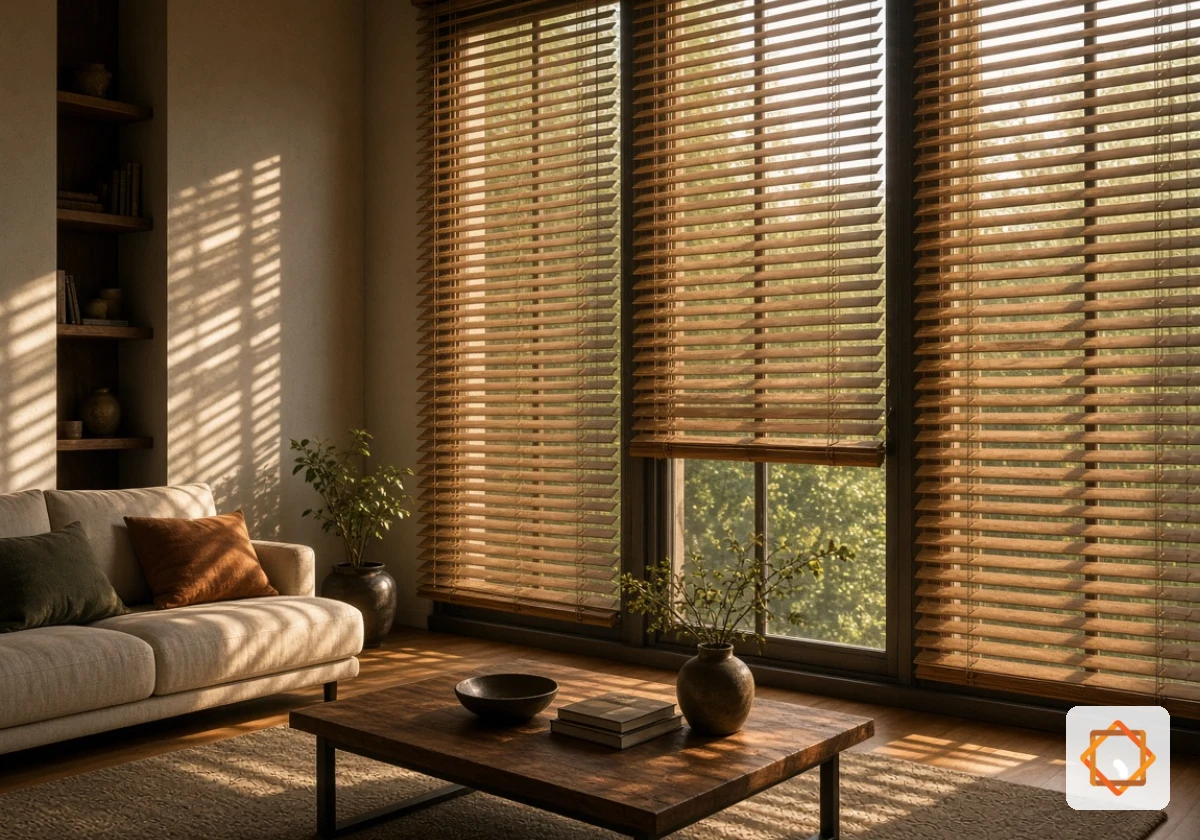
You might not notice anything wrong with your timber Venetian blinds until sunlight catches a slat that doesn’t quite sit straight. Perhaps one end curls upwards, or a narrow strip of light sneaks through when the blind is fully closed.
These changes might seem harmless, but they’re often early signs of warping. Leave the underlying problem alone, and more slats can gradually lose their shape.
The good news is that you can often prevent further damage by spotting the warning signs early. In this Fleeting Youth Records guide, we’ll explain what to look for and why timber slats warp. We’ll also share practical advice from our experience to help you keep your blinds in better shape.
What Are the Early Signs of Timber Venetian Blind Warping?
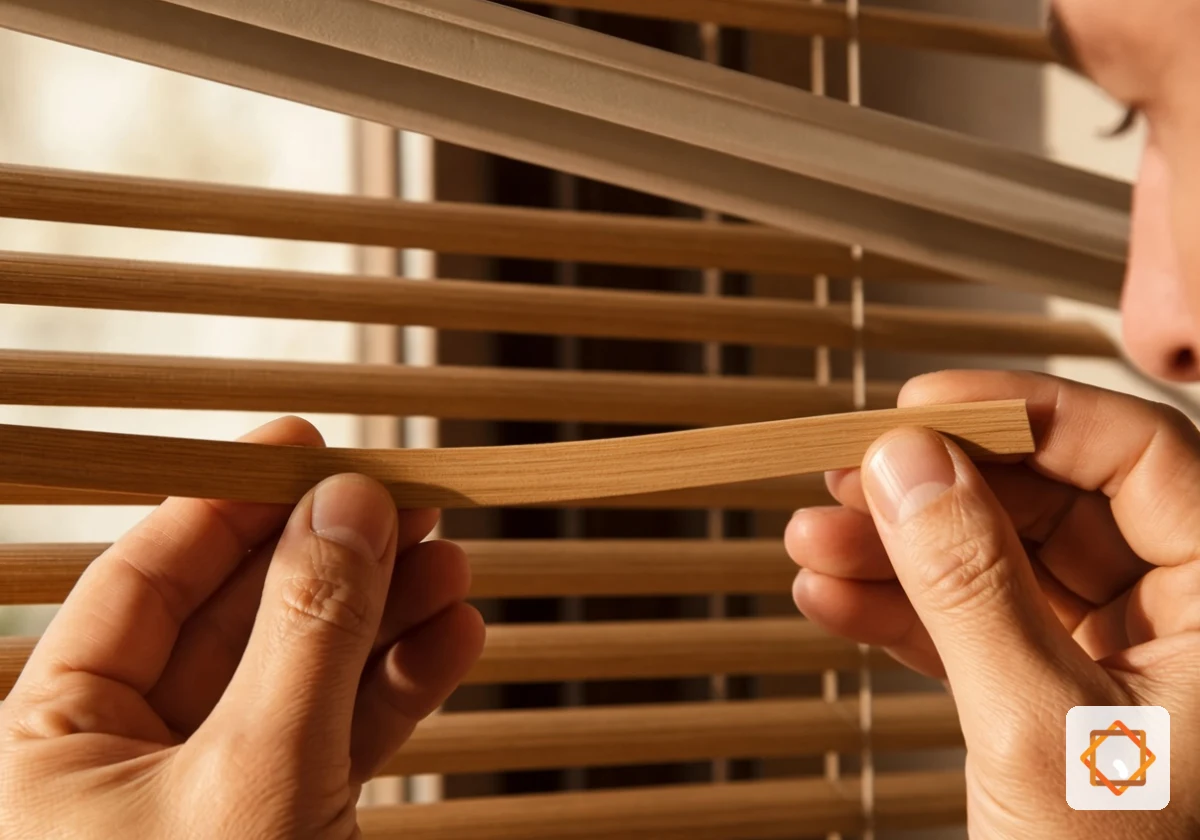
Timber Venetian blinds usually show five common signs of warping. Some are easy to spot, while others become noticeable only when you look closely at the slats.
Let’s look at each sign and how to recognise it before the damage gets worse.
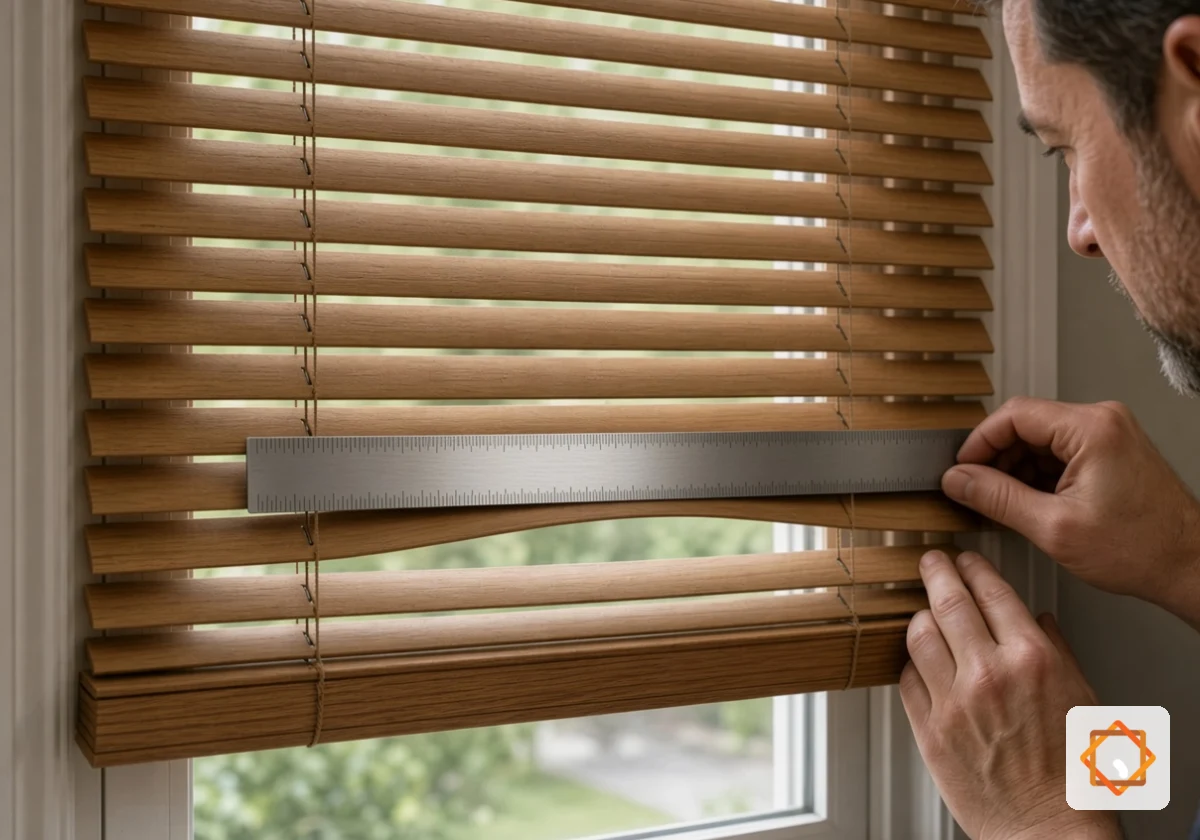
Slats That Bow in the Middle
A healthy timber slat should look straight from one end to the other. When it starts bowing, the middle dips or rises while the ends stay relatively level.
You’ll usually notice this when the blind is fully lowered. To check for it, stand back and look across the slats from the side. Even a slight curve becomes easier to spot against the straight lines around the window.
Check whether several neighbouring slats have developed the same shape. If they have, something around that part of the window might be exposing the timber to uneven heat or moisture.
Slat Ends That Lift Above the Middle
A straight timber slat should sit flat from one end to the other. When it starts warping, one or both ends can lift while the middle stays relatively flat. This creates a shallow curve that’s usually easiest to spot when you look along the slat from the side.
Moisture can contribute to this uneven movement, particularly when the exposed ends absorb water faster than the rest of the timber. Slats near bathroom windows, kitchen sinks and damp walls are more likely to experience repeated moisture exposure.
If the ends remain lifted after the room dries, the timber may have developed a lasting bend.
Unexpected Strips of Daylight
Close your blinds during the day and look at how the slats overlap. Do you notice thin strips of sunlight coming through certain gaps, even though the other slats close properly? When slats are warped, they can leave small gaps even when the blinds are fully closed.
You can check whether warping is causing the problem. First, adjust the slats using the tilt wand. Turn it fully in both directions and see if the gaps disappear. If the same gaps remain, inspect the affected slats for bends or uneven edges. These could indicate that the timber has warped.
Slats That Twist Out of Alignment
If you have timber Venetian blinds, look at how the slats sit when the blind is fully lowered. Normally, they should line up neatly and sit at roughly the same angle.
When a slat starts to warp, it can twist so that one end faces a different direction from the other. You might notice one end facing towards the room while the other turns towards the window. The slat will then look crooked or out of place next to the others, even when the blind is fully lowered.
This could be an early sign of warping. However, check the tilt mechanism too. A slat can sit at the wrong angle because of a problem with the cords or mechanism, even when the wood itself is still straight.
Slight Cupping Along the Slat Edges
Imagine a flat wooden slat with both long edges bending upwards while the middle stays lower. Viewed from the end, the slat starts to look like a shallow U. This is called cupping, and it’s a form of timber warping.
On your Venetian blinds, you might notice that:
- The middle of a slat sits lower than its two edges.
- The slat no longer looks flat when viewed from the end.
- Its curved shape stands out against neighbouring slats.
Cupping happens when different parts of the wood absorb or lose moisture at different rates. This causes some areas to expand or shrink more than others, making the slat curve.
Unlike a slat that’s simply sitting at the wrong angle, a cupped slat has physically changed shape.
Why Do Timber Venetian Blinds Lose Their Shape?
Wood is a natural material that responds to changes in moisture and temperature. As it absorbs moisture, it expands. As it dries, it shrinks. The WoodSolutions guide to timber moisture explains how these changes affect timber. While this movement is normal, certain conditions can cause it to happen unevenly, increasing the risk of warping.
Here are five common reasons:
- Changes in Humidity: Wood absorbs moisture from the surrounding air when humidity is high, causing it to swell. When the air becomes drier, the wood loses moisture and shrinks. These repeated changes can cause slats to bend or twist.
- Too Much Direct Sunlight: Wooden slats can dry out after prolonged exposure to strong sunlight. Uneven heating makes them more vulnerable to warping, especially when one side receives more sun than the other.
- Poor Ventilation: When air doesn’t circulate properly, moisture can build up around windows. This can keep timber exposed to damp conditions for longer, particularly in kitchens and bathrooms.
- Water Exposure: Water from leaks, condensation or excessive cleaning can seep into the wood. If some areas absorb more water than others, the slat can swell unevenly and change shape.
- Improperly Dried Timber: Wood needs to be dried properly before it’s made into blinds. If it still contains too much moisture, it can shrink as it dries after installation, potentially causing the slats to bend or twist.
Although you can’t control every factor, understanding what causes timber to warp can help you take better care of your blinds and spot problems early.
How to Prevent Timber Venetian Blinds from Warping
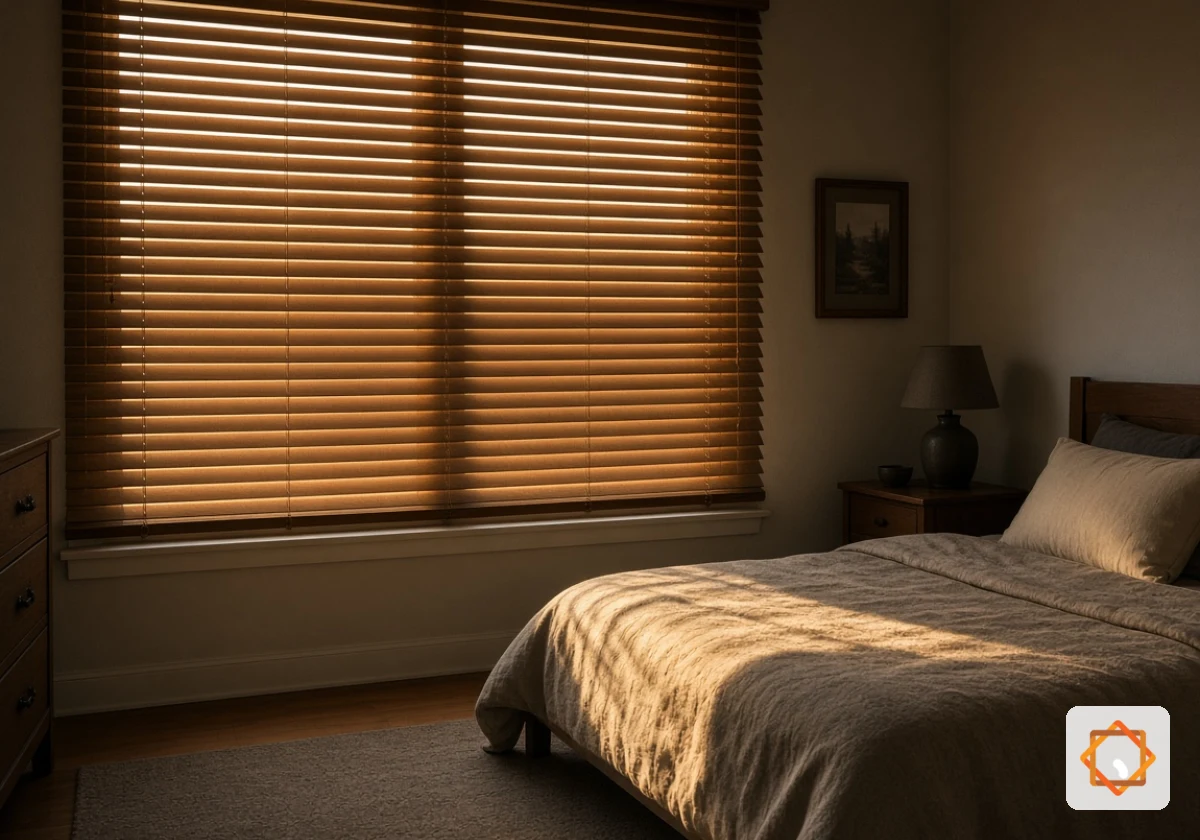
To prevent timber Venetian blinds from warping, you need to limit their exposure to excess moisture and intense heat while taking care when cleaning and handling them. Below, we’ll look at four simple ways to protect your blinds and help them hold their shape.
1. Keep Them Away from Excessive Moisture
Think about what happens when you leave a piece of wood in water. It absorbs moisture and can swell.
Timber blinds can react similarly when exposed to too much moisture over time. Avoid installing them in consistently damp rooms, such as bathrooms, unless they’re specifically designed for those conditions.
2. Protect Them from Intense Sunlight
Imagine one side of a wooden slat getting very hot from direct sunlight every day. Repeated exposure can dry the wood unevenly and increase the risk of warping.
To avoid this, use curtains or another window covering to reduce prolonged exposure to intense sunlight, particularly during the hottest parts of the day.
3. Keep Air Circulating Around the Window
Have you noticed how windows sometimes collect condensation? That’s moisture from the air settling on a cooler surface.
If moisture keeps building up around your blinds, it can affect the timber over time. Open windows when appropriate to let fresh air circulate and help reduce moisture buildup.
4. Don’t Use Too Much Water When Cleaning
We’ve seen people assume that because timber is wood, using plenty of water is the best way to clean it. But wooden slats absorb moisture, and soaking them can cause the wood to swell. If the slats keep taking in too much moisture, they can gradually lose their shape and start to warp.
Surprisingly, you can remove most dust without using water at all. Just use a dry cloth or feather duster to wipe the slats. For stubborn marks, use a slightly damp cloth, then dry the slats straight away to avoid leaving excess moisture on the wood.
Protect Your Timber Blinds Before the Damage Sets In
A little warping doesn’t mean you need to replace your blinds. Catching it early and addressing the moisture or heat causing it can help prevent further damage.
If you’re choosing new blinds for a bathroom or kitchen, Fleeting Youth Records can help you find an option suited to the room. Book a free in-home measure and quote.