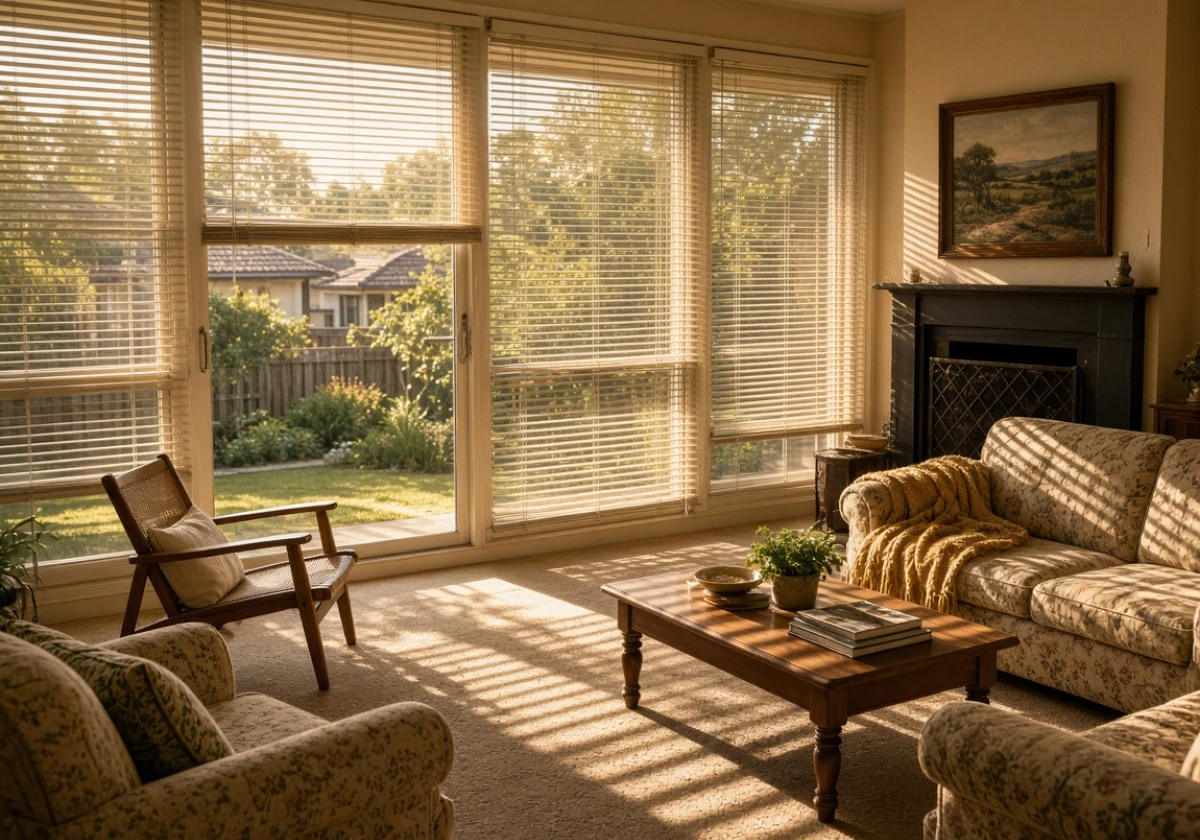
Made-to-measure Venetian blinds solve the gap problem by being cut to your exact window width and drop. Instead of hunting for the closest size on a shelf, you get blinds that fit your window properly.
In contrast, ready-made blinds come in fixed widths, which rarely match every window opening. Even a small difference leaves daylight coming through the edges or causes the blind to sit unevenly inside the recess.
This guide covers why factory sizes miss older Australian windows, how to measure for Venetian blinds properly, and which material suits each room. You’ll also see what custom-made pricing really depends on.
Why Do Standard Venetian Blinds Leave Gaps on Wide Windows?
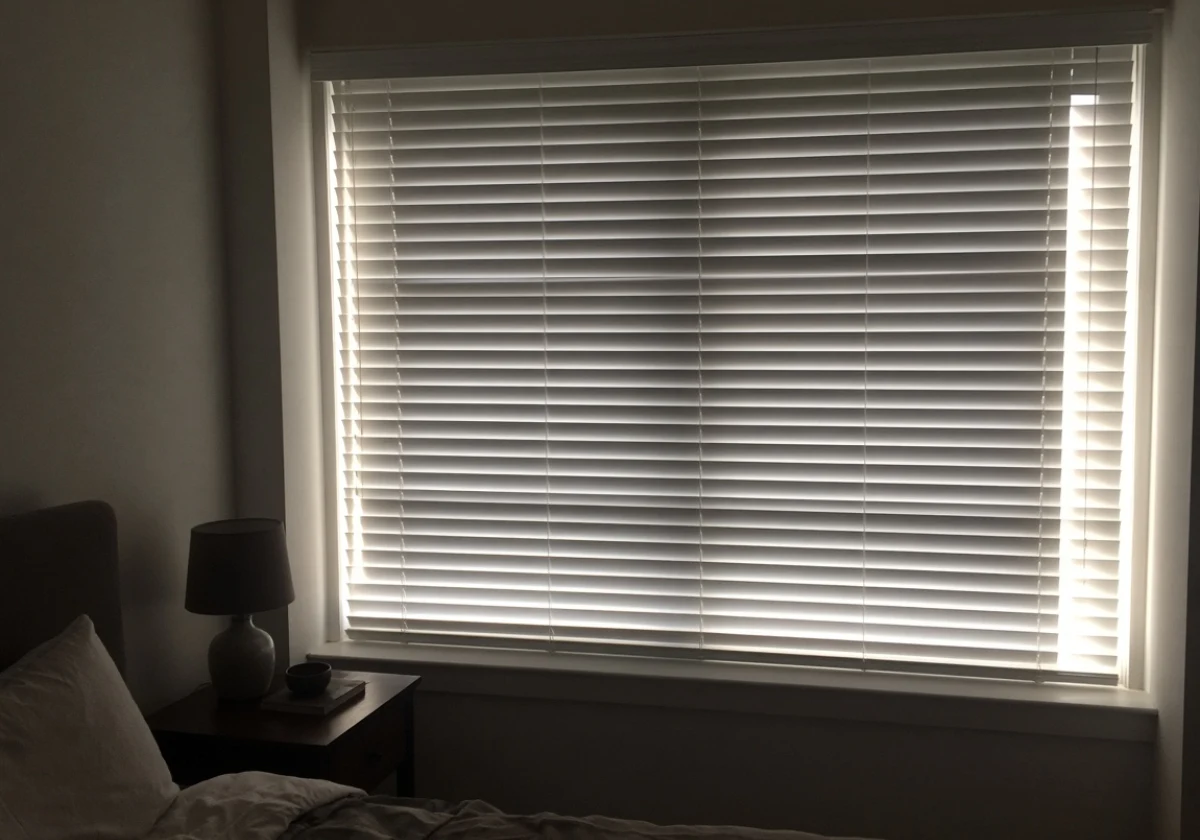
Factory widths rarely match actual Australian window sizes. Manufacturers use standard measurements, but many windows don’t match those dimensions. Horizontal slats have to span the whole opening, so every millimetre of shortfall shows up as daylight.
Below, you’ll see where the gap shows up, why older homes make it worse, and what it costs you.
Light Gaps and Privacy Loss Along the Edges
A narrow blind leaves vertical strips of uncovered glass along the recess edges. Tilting the slats won’t cover these strips, so daylight can still enter the room when the blind is closed.
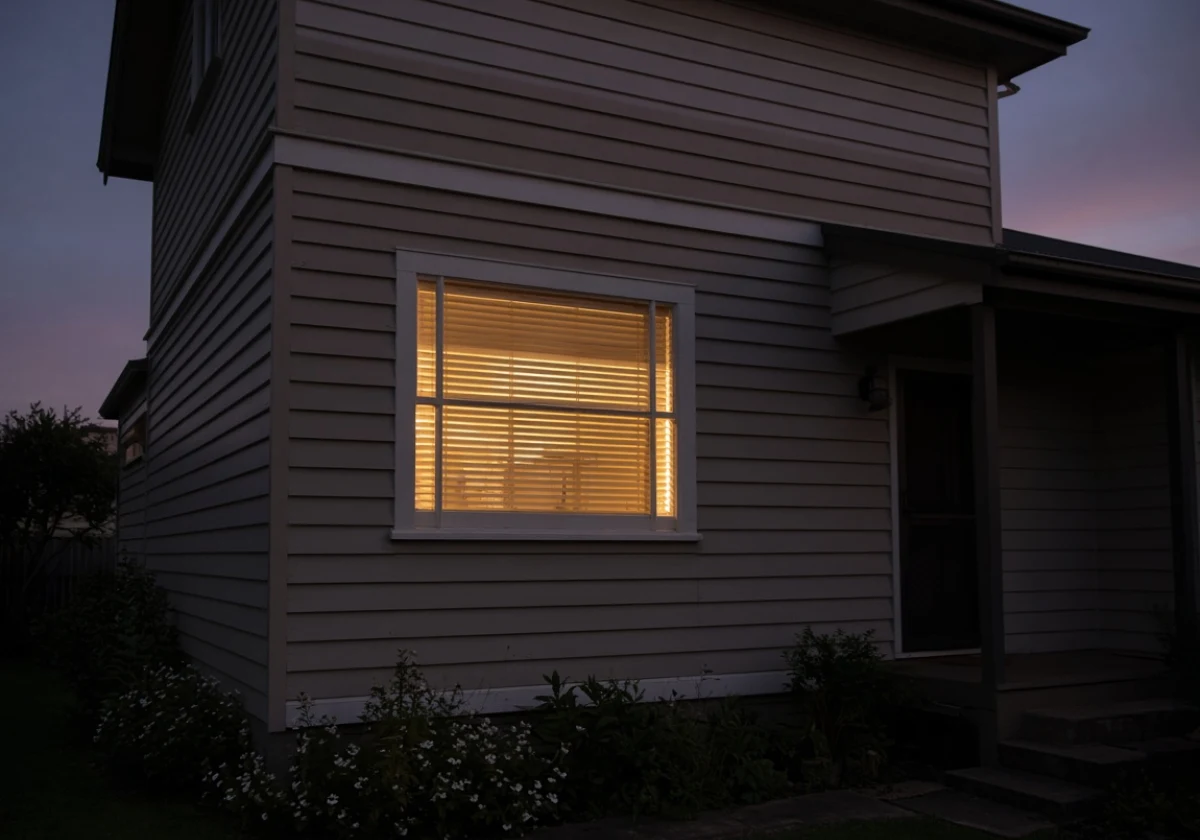
Privacy becomes another concern, especially in bedrooms facing a footpath. Someone walking past at an angle may see through the side gaps, even though the slats block a direct view (the classic inner-suburb problem nobody warns you about). And the problem is often worse at night when indoor lights make the room easier to see from outside.
A closer fit reduces these exposed areas, while the slats control light and visibility through the blind itself.
Why Ready-Made Sizes Rarely Fit Older Australian Homes
Older Australian homes often have window openings that aren’t perfectly rectangular. The width at the top, middle, and sill differs by several millimetres in uneven frames. As a result, a blind cut to the widest measurement scrapes against the frame as you lower it.
The problem gets worse when timber frames swell and shrink with humidity. Older hand-finished reveals also have uneven edges, which makes standard blind sizes harder to fit. Choosing a narrower stock size avoids scraping but leaves larger gaps along the sides.
Made-to-measure blinds account for the opening’s actual dimensions and allow enough clearance for smooth operation. That’s why measuring at three points is especially useful for older windows.
How Light Gaps Affect Glare and Indoor Comfort
Even small gaps affect indoor comfort when afternoon sunlight falls across a screen or dining table. The glare makes it harder to work, watch TV, or relax in the room.
Along with glare, sunlight entering through windows contributes to indoor heat gain. According to the Australian Government’s YourHome glazing guide, updated in 2023, up to 87% of a home’s heat gain can occur through windows. This makes window coverage especially useful in west-facing Melbourne living areas, where strong afternoon sun can increase indoor heat.
To manage both problems, a better-fitting blind reduces unwanted light around the edges, and adjustable slats provide further control over glare. Tilt them to direct sunlight away from your screen or table without blocking all natural light.
Measuring Your Windows for Custom Venetian Blinds
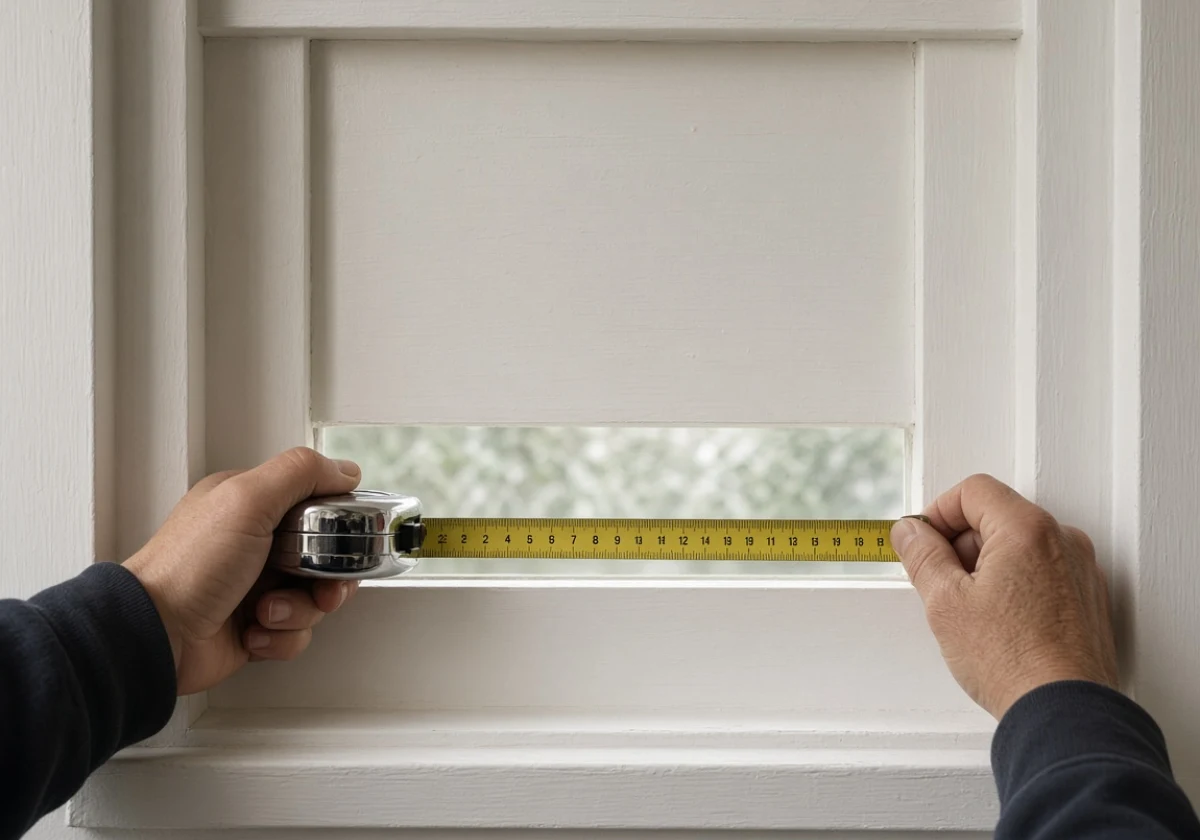
Most measuring mistakes happen before the tape touches the frame. People guess between recess fit and face fit, and that single choice changes the width and height measurements.
Work through the three steps below, and your figures will hold up at the factory.
Recess Fit or Face Fit: Decide Before You Start
A recess fit sits inside the window opening, within the reveal. A face fit, on the other hand, mounts outside the opening and overlaps the surrounding wall or frame.
The right choice depends on the window’s depth and the coverage you need. A recess fit gives the blind a built-in appearance, provided the reveal has enough depth for the brackets and slats. A face fit suits shallow reveals and windows where you want to cover more of the surrounding area.
Before settling on either option, check for handles, locks, and inward-opening windows (it saves a second trip up the ladder). These can obstruct the blind or stop the window from opening fully. A face fit may provide extra clearance, depending on the position of the fittings.
Your choice also determines where to place the tape. For a recess fit, take the width and drop inside the window opening, excluding the surrounding frame or wall. But if you want a face fit, include extra coverage beyond the opening to reduce light gaps. Follow your supplier’s guidelines for the recommended overlap and any deductions.
Getting Width and Drop Right With the Three-Point Rule
The three-point rule helps identify uneven window openings before ordering. Start with the width and take measurements across the top, middle, and bottom of the recess. The narrowest reading tells you how much space is available without the blind touching the sides.
Next comes the drop. Measure it vertically along the left, centre, and right. Differences between these figures reveal uneven sills or frames that affect how the bottom rail sits. Your supplier’s guidelines will help you choose the correct dimensions and account for any clearance deductions.
For accuracy, use a steel tape rather than a cloth one, which stretches over time. Keep all six readings in millimetres and label their positions clearly.
When to Skip the Tape and Book a Free In-Home Measure
Can you measure every window yourself? Not when it’s wide, high or out of square. In these cases, book a free in-home measure and quote.
A professional checks the dimensions and accounts for the space brackets take up. Sliding doors, stairwell windows and outdoor blinds on a deck are common candidates. The measuring and quoting happen during the same visit, so you’ll know the price of your Venetian blinds before you commit.
Measuring from a ladder also brings safety risks, and one wrong figure could cost you a whole blind. For anything above comfortable reach, we’d recommend leaving the measurements to a professional.
Timber, Aluminium or PVC: How to Choose the Right Material
With the measurements settled, the right material gives you made-to-measure Venetian blinds that handle humidity, heat and daily use for years. Each option behaves differently in wet rooms and in full sun. For instance, a bathroom that fills with steam every morning needs a moisture-resistant blind.
Here’s how timber, aluminium and PVC compare in different rooms.
- Timber Venetian Blinds: Real basswood brings warmth and grain, which is why wooden Venetian blinds suit living areas and bedrooms. They stay light enough to raise on wide windows, though steady bathroom moisture warps the slats over time.
- Aluminium Venetian Blinds: Aluminium slats resist moisture, which makes them a practical choice for kitchens and laundries. They’re also easy to wipe clean when grease or dust collects. Their slim profile suits modern interiors, although direct sunlight can make metal slats hot to the touch.
- PVC Venetian Blinds: Built for wet areas, PVC Venetian blinds shed water without swelling. Their faux wood finish copies timber at a lower price, so bathrooms still get the warmer look.
Bottom Line: Start with the room’s moisture and sun exposure, then consider the appearance you prefer. Timber suits dry living spaces, while aluminium and PVC work better in damp rooms. You can also choose different materials throughout your home to suit each window’s conditions.
What Determines the Cost of Custom-Made Venetian Blinds
Once you’ve picked a material, the next surprise is how reasonable custom-made prices have become. Makers cut made-to-measure blinds on the same line as stock sizes, so the premium stays small.
The table below shows what moves the number on your quote.
| What You’re Paying For | Why It Moves the Price | Where It Pays Off |
|---|---|---|
| Slat widths | 50mm slats use more material than slim metal, and 63mm Venetians use more again | Large windows and sliding doors |
| Material | Real timber costs more than aluminium or PVC | Living rooms where the look leads |
| Motorisation | Motors and remotes add parts and fitting time | High or hard-to-reach windows |
When you ask for a quote, include professional installation, brackets and any additional fittings. That way, you can compare the full cost rather than the blind price alone. Custom-made Venetians also offer an alternative to plantation shutters, with pricing that varies by material, dimensions, and installation requirements.
Book Your Free Measure and Quote Today
Your window is wider than the blind for one reason: nobody built your house to a factory chart. Made-to-measure Venetian blinds remove that mismatch at the source.
Grab a steel tape, decide between recess and face fit, and write down three widths. Those figures are what a maker needs before anyone can price the job.
Fleeting Youth Records shares practical guidance for homeowners sizing up their windows. Contact the team to talk through your measurements and get blinds that fit the first time.