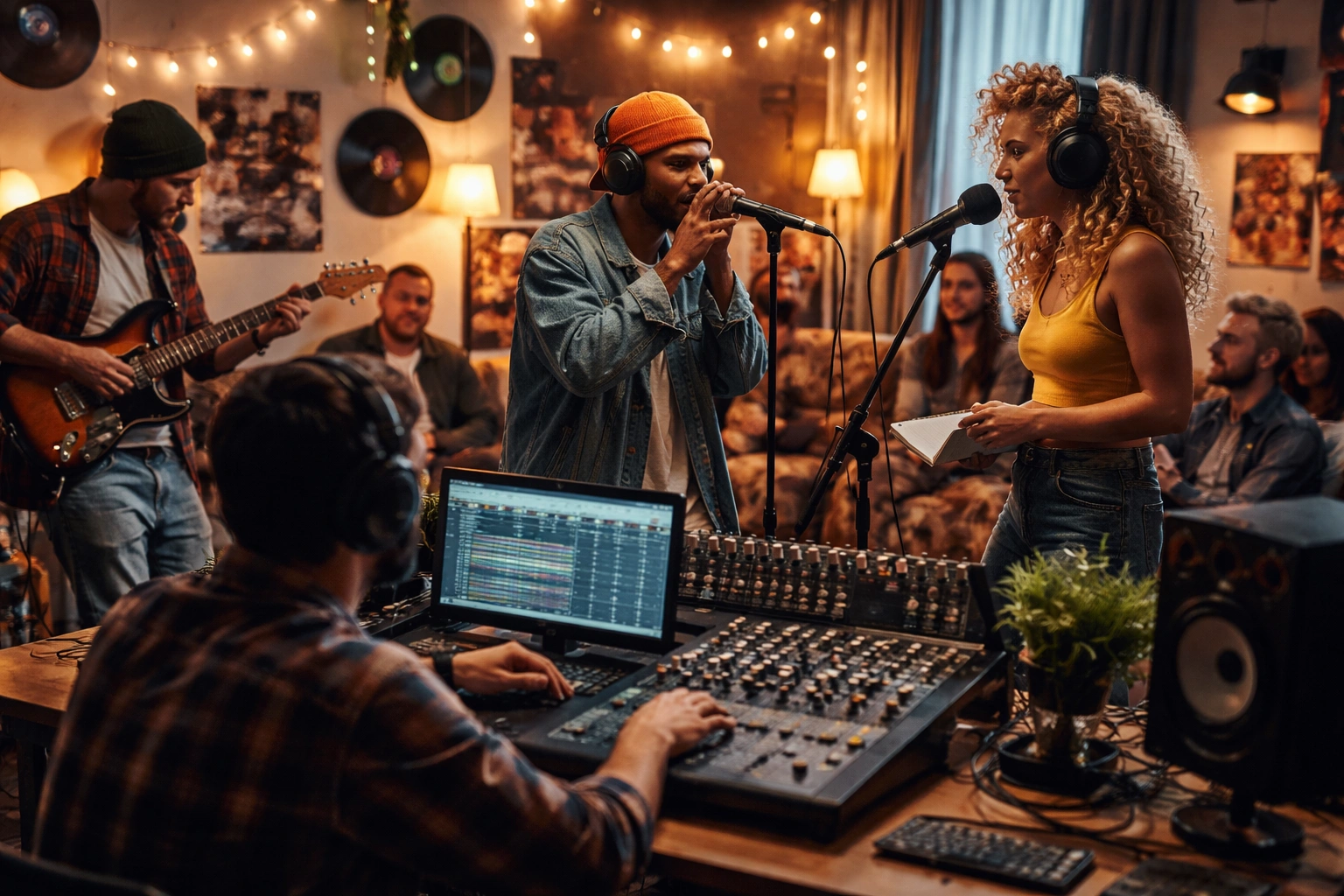
Independent labels build artist communities by giving artists space to work together, reach shared audiences, and stay creative. This is quite different from how the wider music industry tends to work.
But the thing is, many indie artists and small labels find it hard to turn online traction into something real. Likes and streams might look good on paper, but they rarely lead to genuine community, creative fulfilment, or steady revenue growth.
And without that sense of belonging, burnout becomes pretty common. Artists end up chasing numbers instead of meaningful connections.
Which is why this article will look at how indie label culture offers a different path. We’ll cover how music support networks, collaborative growth, and real relationships help artists build sustainable careers.
First, we’ll look at how indie labels support artists and foster collaborative growth.
How Indie Labels Drive Collaborative Growth in the Music Industry
Indie labels drive collaborative growth by putting relationships and artistic expression ahead of quick profits. They create environments where musicians support each other instead of competing for attention.

Here are some practical ways they make this happen.
What Makes Indie Labels Unique
Indie labels are unique because they focus on creativity and collaboration over profit.
They are not smaller versions of major record companies. Instead, they work more like creative communities that support artists as they grow. So the focus stays on long-term relationships.
And because of this, artists have the space to experiment with their sound and try new ideas. They can grow with guidance, without feeling pushed to follow trends. Over time, this leads to music that feels honest and closely connected to a real community of other artists.
Real-World Support Systems
Indie labels often set up practical support systems for their musicians. These can include co-organised gigs, shared gear, and advice channels where artists help each other out. Some labels also co-produce content (like music videos or social media campaigns).
But the support can also be more personal.
For example, one-on-one mentoring helps newer artists understand the basics and gain confidence. And group listening sessions give musicians a chance to share their work and receive helpful feedback as they improve.
Case Example: XL Recordings
XL Recordings is a great example of what long-term artist development looks like in practice. The British indie label has supported artists like Radiohead, The xx, and Adele by giving them creative space to grow.
According to NPR, founder Richard Russell treats each artist like a separate business. He looks for musicians with strong personal visions who do not necessarily need the label to succeed. This balance between creative freedom and smart strategy has made XL one of the most respected indie labels in the world.
What Makes a Record Label a True Creative Partner
A record label becomes a true creative partner when it prioritises artistic growth over commercial pressure. The best indie labels also give musicians the room to take risks and learn from mistakes. Let’s look at the practical ways they support growth and creativity.
Constructive Feedback Over Pressure
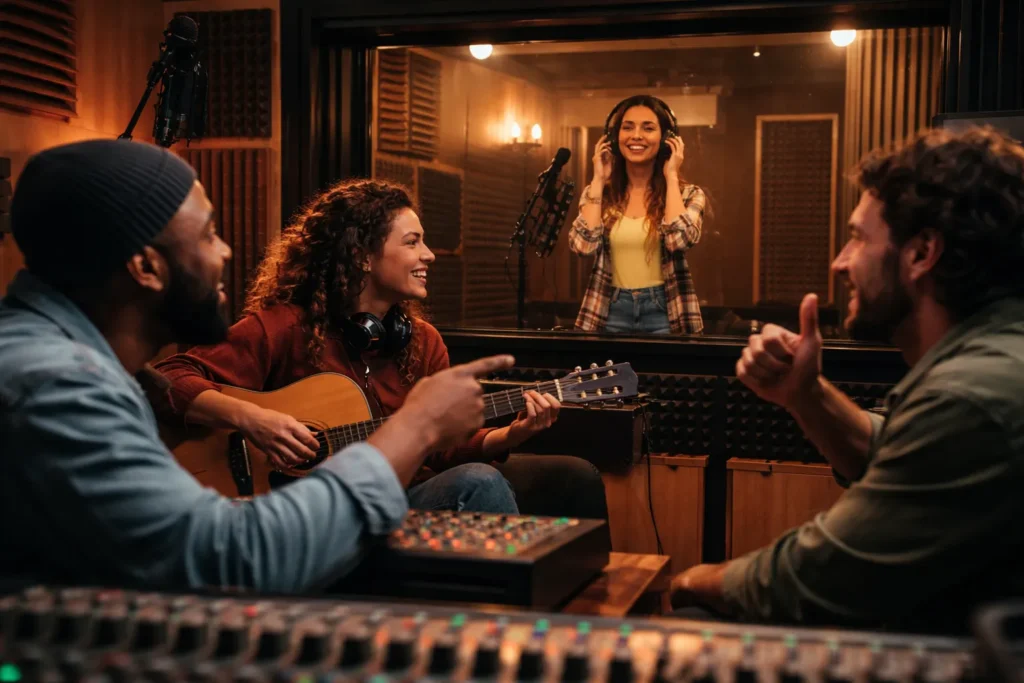
Indie labels tend to stay closer to the creative process than major labels do. That’s why they offer feedback that builds an artist up and their vision (rather than taking control of it). Their goal is to help musicians improve without forcing them into a commercial mould.
We’ve noticed how much this change in management can do for artists. Their ideas are taken seriously, and this means a lot in the creative field. It builds confidence and inspires more meaningful work.
Failures Are Part of the Process
Failure helps artists grow by giving them a chance to experiment and learn from what doesn’t work. That’s a big part of any artistic development, yet major labels often avoid it because they prioritise sales over experimentation.
But in tight-knit artist communities, there is less pressure to go viral with every release. This takes a lot of weight off musicians and lets them try new sounds without worrying about commercial success. We think that kind of freedom often leads to more interesting and authentic music.
Many indie labels encourage this mindset through workshops, feedback groups, and collaborative EPs. These spaces let artists test ideas in a low-stakes environment where mistakes are welcome. So when failure is treated as part of the process rather than something to avoid, creativity tends to flow more freely.
Effective Collaboration in Action
Cross-artist projects are a big part of how indie labels build community. Remix swaps, for example, let musicians reinterpret each other’s work and reach new audiences in the process. Co-curated events and joint releases work similarly, and help artists support one another along the way.
Now, some indie labels also take a more democratic approach to creative decisions. Instead of decisions coming only from label leaders, they use feedback loops where artists have a real say in how releases are produced.
This collaborative model keeps everyone involved and invested in each other’s success (which makes the whole community stronger).
Build Strong Artist Communities Through Indie Label Practices

So, what do you think about building artist communities this way? Does it change how you see the role of a record label in your own creative journey?
If there’s one takeaway from all of this, it’s that community is the foundation of sustainable creative success. When artists support each other through music support networks and collaborative growth, everyone benefits.
That said, building these kinds of connections does take time and effort. You might face setbacks along the way, like struggling to find the right people or dealing with rejection. That’s completely normal and part of the process. Just remember to stay patient and keep showing up for the artists and communities you believe in.
Now could be a good time for you to rethink how you collaborate. So go look for labels, collectives, or other artists that treat you like a partner (not just another name on a roster). Those are the relationships that tend to last.
And if you’re looking for a label that values artist community and long-term growth, check out Fleeting Youth Records. We provide guidance and information for musicians trying to grow their careers.